

A small bracelet can become a steady cue for the way you want to feel. The stone, metal, symbol, and ritual all shape that cue. We’ll show you how to choose spiritual jewelry with care, set a clear intention, cleanse it safely, and wear it during daily practice.
Step 1: Set an Intention Before Choosing Spiritual Jewelry
Spiritual jewelry works best when it points you back to a clear purpose. Before you browse stones, ask what you want to remember during the day.
Maybe you want to stay calm before a hard talk. Perhaps you’re building a meditation habit. You may want a visible reminder of self-love, courage, grounding, or trust in your own inner voice. Name one focus first. A piece can hold several meanings, but one main intention makes it easier to use.
Write the intention in present tense
Use a short statement that describes the quality you’re practicing now. “I am calm and present” gives your mind a clear direction. “I won’t feel anxious” keeps attention on the feeling you want to leave behind.
Write the sentence in a notebook. You can also say it while holding a piece you already own. The words don’t give the stone medical power. They give your attention a place to land. That distinction keeps the practice grounded.
Symbols can help in the same way. An Om design may remind you to pause and return to breath. A heart can point toward compassion. A cross, eye, moon, or geometric form may carry a personal faith or memory. Symbols have different histories, so learn what a design means before wearing it casually. Om is a sacred syllable and spiritual symbol in several Indian religions.
Turn the intention into a daily cue
Choose a moment when you’ll use the jewelry. Put it on before meditation. Touch the beads before a meeting. Look at the pendant when you sit down to journal. This turns a beautiful object into part of a repeatable practice.
Keep the cue small. You don’t need a long ceremony. Take one breath, touch the stone, and repeat your phrase. If you wear the piece all day, connect it with one action rather than checking its meaning every few minutes.
At Auras of Osiris, we describe each stone’s metaphysical and healing properties so you can start with more than color alone. That detail helps you compare a piece with your purpose instead of buying from a vague promise.
Step 2: Match the Stone to Your Chakra or Spiritual Goal
Use a stone’s traditional meaning as a prompt, not a guarantee. In chakra work, the color and story of a gemstone can help you focus on a body area or inner quality during meditation.
Chakra systems come from South Asian religious and philosophical traditions, and modern wellness uses often simplify them. Read the tradition with respect. Chakras are described as centers used in certain Indian traditions, while ideas about them vary.
A useful match starts with your goal. If your aim is calm, look at stones commonly linked with quiet reflection, such as amethyst or rose quartz. If you want confidence, warm stones such as carnelian or tiger’s eye may fit your visual language and meditation theme. If you seek grounding, darker stones can give your practice a steady, earthy focus.
Some spiritual jewelry pieces are presented for anxiety and stress relief. That repeated claim doesn’t tell you enough. A buyer still needs to know the stone’s stated meaning, how to care for it, and what the seller says about its material.
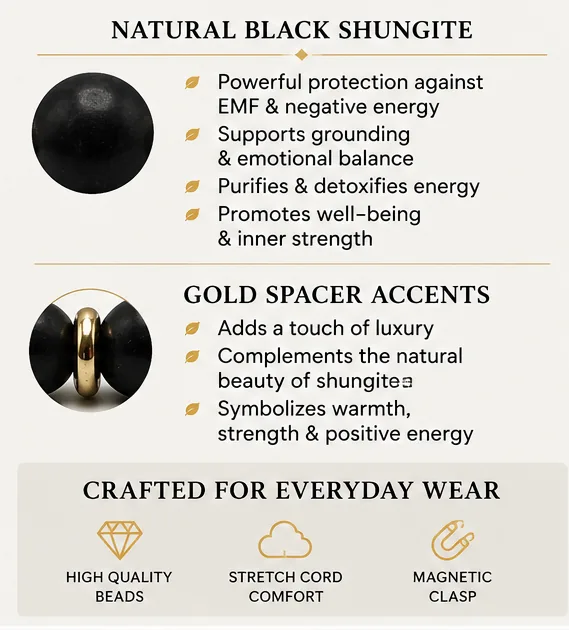
Our matte amethyst bracelet suits a quiet, reflective intention. Its matte beads and gold spacers give it a refined look that can move from a meditation cushion to a dinner table.
Don’t force a chakra match
You don’t need a different stone for every chakra. If one piece makes you want to pause, breathe, and return to yourself, it may already be useful. A color chart can guide you, but your lived response should guide the final choice.
Also watch for health claims. A bracelet can support a personal ritual, but it shouldn’t replace care from a qualified health professional. If anxiety affects sleep, work, safety, or daily life, seek appropriate support. Let the jewelry sit beside that care, not stand in for it.
Step 3: Choose the Metal, Symbol, and Wearable Form
The metal and shape change how spiritual jewelry feels on your body. Choose a design you’ll actually wear, then add the symbolic meaning that feels honest to you.
Compare the metal’s traditional meaning
Many practitioners connect silver with lunar qualities, reflection, intuition, and emotional calm. Gold is often linked with solar energy, confidence, abundance, and personal power. Copper is commonly described as conductive and grounding within energy work. Brass, which combines copper and zinc, is often tied to courage and balance.
These are metaphysical traditions, not established medical effects. Use them as language for your practice. If copper helps you think about grounding, let that thought guide a breathing exercise. Don’t assume a metal can block electromagnetic pollution or treat a physical condition.
Metals also change with wear. Silver, brass, and copper can darken after contact with air, moisture, and skin oils. Gold tends to keep its shine more closely. That doesn’t make one metal better. It gives you a care choice.
Pick the form that fits your day
- Bracelets: easy to touch during a pause, and well suited to short affirmations.
- Necklaces: keep a symbol near the chest or throat, which can support heart or voice-focused reflection.
- Rings: make a small, private cue. Choose a secure fit for hand work.
- Pendants: give a symbol more visual weight without requiring many beads.
- Anklets: can mark movement, walking meditation, or a body-based practice.
Consider comfort before symbolism. A magnetic clasp may be easier for some people than a tiny lobster clasp. A lighter necklace may work better during yoga. If you dislike a piece, you won’t reach for it often, no matter how meaningful the stone sounds.
Our graduated carnelian bracelet uses warm color, gold-tone spacers, and a magnetic clasp. It can act as a confidence cue before a presentation or a creative session.
Symbols deserve the same care. Om and Rudraksha-inspired designs have roots in South Asian religious practice. If you wear one, learn its meaning and avoid treating it as a blank fashion mark. Personal style is welcome. Careless borrowing is not.
Step 4: Cleanse, Charge, and Activate Your Jewelry
Cleansing spiritual jewelry can mean physical cleaning, an energetic reset, or both. Start with the material. A ritual should never damage the stone, metal, finish, or clasp.
Clean the piece first
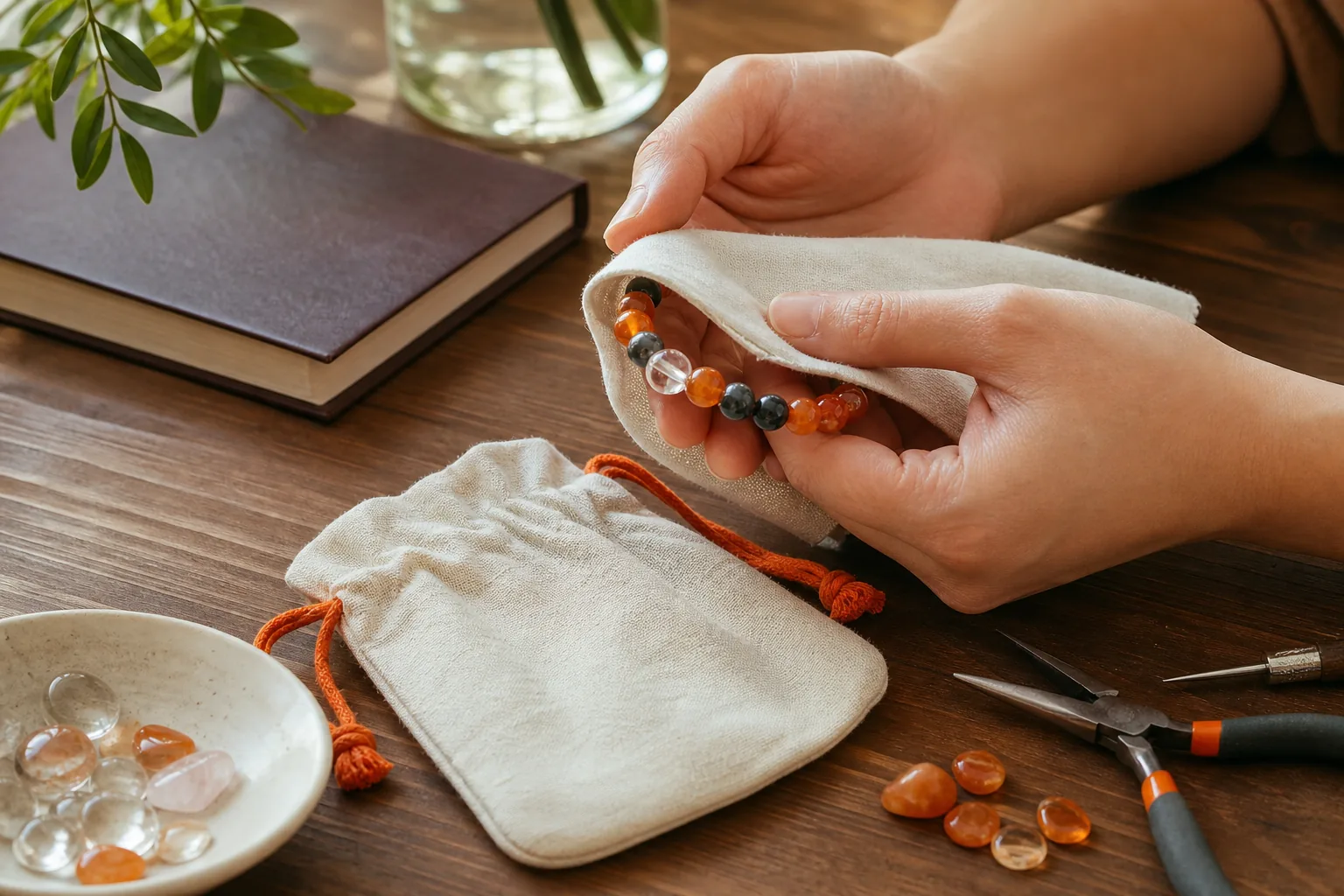
Wipe the jewelry with a soft, dry cloth. If the seller says water is safe, use a small amount of lukewarm water and dry the piece well. Keep jewelry away from perfume, hairspray, chlorine, salt water, and harsh cleaners unless the maker gives different instructions.
Never put a piece in water just because a social post recommends it. Some stones can scratch, fade, flake, or react to moisture. Glued settings can also loosen. When you don’t know the material, choose a dry method.
Choose a gentle energetic reset
You can place the piece on a clean cloth and sit quietly with it. Imagine a soft white light moving across the jewelry. Then let the old meaning fall away. This method needs no smoke, salt, water, or special tool.
Other common practices include passing the piece through incense smoke or setting it near a window during moonlight. Use good airflow around smoke. Keep flames away from hair, fabric, children, and pets. Moonlight is a symbolic practice, so a cloudy night doesn’t make it fail.
Activate it with clear words
Hold the jewelry in both hands. Take three slow breaths. Say your intention in the present tense, such as, “I meet this day with calm focus.” Picture one real action that matches it.
That last part matters. If your intention is confidence, imagine asking the question in the meeting. If it is self-love, picture taking a needed rest. The stone becomes a reminder of behavior, not a shortcut around it.
Repeat the ritual when the piece feels linked to an old season of life, after a major change, or whenever you want to renew your focus. There is no fixed schedule. A short, sincere practice is enough.
Step 5: Wear Spiritual Jewelry During Everyday Rituals
Daily use gives spiritual jewelry its meaning. Wear it at moments when you can connect the piece with a real choice, breath, or pause.
Build a morning ritual
Place the bracelet beside your keys or journal. Before putting it on, ask, “What quality do I want to practice today?” Touch one bead while you name the answer. Then choose one action that supports it.
For calm, that action might be leaving five minutes between tasks. For courage, it may be sending the email you keep delaying. For clarity, it could mean writing one priority before opening your inbox.
Use touch during meditation
Hold the pendant or move one bead at a time as you breathe. On the inhale, notice the body. On the exhale, soften the jaw and shoulders. If your mind wanders, return to the texture of the jewelry.
You don’t need to count a perfect number of breaths. The point is to build a return path. The jewelry gives your hands a quiet task while your attention settles.
Wear it during movement
A necklace may distract you during floor work, while a snug bracelet can work well for walking meditation. Test the piece at home before wearing it during yoga or exercise. Remove anything that catches, swings, or irritates your skin.
Some people like to assign the left and right wrist different meanings. You might use the left side for receiving and reflection, then the right side for action. These associations aren’t universal. Pick a system you can remember and use it consistently.
Our rose quartz heart bracelet can fit a self-compassion ritual. Touch the heart-shaped focal bead before a difficult conversation, then choose words that stay kind and direct.
Keep the practice private when needed
Spiritual jewelry doesn’t have to announce a belief. A small stone bracelet can look like everyday jewelry. A pendant can carry meaning known only to you. This makes it easier to use at work, while traveling, or around people who don’t share your practice.
Auras of Osiris creates handcrafted crystal and gemstone jewelry for meditation, chakra work, mindful gifting, and everyday wear. The best piece is the one that feels natural enough to become part of your life.
Step 6: Care for, Personalize, and Choose Responsibly
Good care protects both the jewelry and the meaning you’ve placed in it. Responsible buying begins before checkout, with clear questions about materials, care, and the maker.
Use a simple care routine
- Wipe the piece after heavy wear or contact with sweat.
- Store it in a soft pouch away from harder stones and metal chains.
- Remove it before swimming, bathing, cleaning, or applying body products.
- Check the clasp, wire, and beads before wearing it outside the home.
- Keep a note of the stone name and care method.
Care guidance should come from the seller. That gap leaves shoppers to guess, which is poor practice for a category built around personal trust.
Personalize without damaging the piece
Add meaning through a small charm, a handwritten intention card, or a color choice in your outfit. You can also pair a bracelet with a journal page that records when you wore it and what you practiced.
Don’t add essential oils directly to stones or elastic unless the maker says it is safe. Oils can stain porous materials and weaken some finishes. Avoid glue, drilling, or heat at home. A simple ribbon, pouch, or display dish gives you room to personalize without changing the jewelry.
Ask better questions before buying
Look for the exact stone name, a clear description of the clasp, and basic care advice. If a listing says “crystal” without more detail, ask what material that word describes. “Natural” can mean different things, so request a plain explanation rather than assuming it means untreated.
Ethical sourcing claims should also be specific. Ask where the metal or stone came from, what the maker can verify, and how the piece was made. A small maker may not have a full supply-chain report. They should still answer honestly instead of using broad words with no detail.
Choose a timeless piece you’ll keep wearing. Repairable jewelry can stay in use longer than a trend piece that loses its appeal after a season. Keep receipts, product details, and care notes in a safe place if you hope to pass the item on.
At Auras of Osiris, we aim to make stone meaning easier to understand by describing the metaphysical and healing properties connected with each piece. That clarity gives you a better starting point for choosing, using, and caring for your jewelry.
FAQ
What is spiritual jewelry used for?
Spiritual jewelry is used as a personal reminder during meditation, prayer, chakra work, affirmation, or mindful daily routines. People may choose a stone for its traditional symbolism, color, or emotional association. It can support reflection and focus, but it shouldn’t replace medical care or promise a guaranteed change in health.
How do I choose the right crystal bracelet?
Choose the crystal bracelet that matches one clear goal and feels comfortable enough for regular wear. Read the seller’s stone description, check the clasp and fit, then decide how you’ll use it. A piece you touch before meditation or a hard task is often more useful than one chosen only because its color matches a chart.
How do you cleanse spiritual jewelry?
You can cleanse spiritual jewelry by wiping it with a soft cloth, then using a dry visualization or another method suited to its materials. Smoke and moonlight are common symbolic choices. Avoid water, salt, sunlight, or oils until you know the stone and metal can handle them. When unsure, use a dry cloth and visualization.
Can I wear spiritual jewelry every day?
Yes, you can wear spiritual jewelry every day if the piece is comfortable and protected from water, chemicals, impact, and excess sweat. Remove it for swimming, bathing, cleaning, and exercise that may strain the clasp. Check the jewelry often for loose beads or worn wire, especially before wearing it outdoors.
What does a gemstone bracelet mean?
A gemstone bracelet can represent a quality you want to practice, such as calm, confidence, love, grounding, or clarity. Meanings vary across traditions and sellers, so treat them as reflective prompts rather than fixed facts. The most useful meaning is one you understand and connect with a repeatable action.
Is spiritual jewelry a form of healing?
Spiritual jewelry can support a healing ritual by helping you pause, breathe, pray, journal, or reconnect with your values. It doesn’t prove that a stone treats anxiety, illness, or any other condition. Use it alongside appropriate professional care when needed, and choose sellers who describe symbolism without making fear-based promises.
Conclusion
Start with one honest intention, then choose a stone and form you’ll gladly wear. Set the piece with a present-tense phrase, use it at one daily pause, and care for it according to the material. If you want a thoughtfully described handmade option, explore Auras of Osiris and choose the bracelet that fits your practice. Put it on tomorrow morning with one clear sentence in mind.